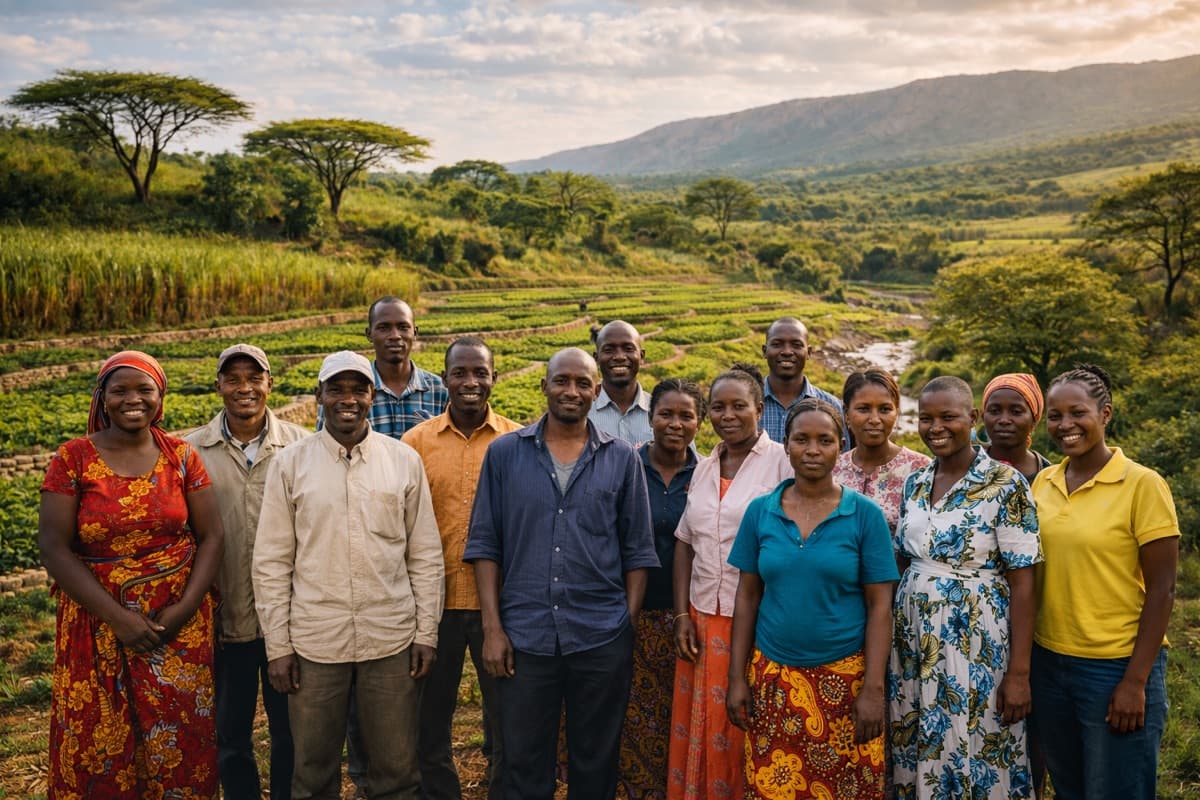
Two years into our watershed rehabilitation work, communities are reporting stronger stream flows, less erosion, and improved crop yields. The data backs them up.
Watershed degradation is one of the most visible and consequential environmental challenges in Elgeyo Marakwet. Decades of unsustainable land use — combined with increasing climate variability — have left many rivers and streams running dry earlier in the dry season, while floods intensify during rains. REMEI's watershed rehabilitation program is working to reverse this trend.
Our Approach
We take an integrated watershed management approach that addresses both the physical landscape and the communities living within it. Activities include:
- Revegetation of riparian buffer zones with indigenous tree and grass species
- Construction of check dams and gabion structures to slow water flow and trap sediment
- Farmer training in contour farming, terracing, and soil bund construction
- Community-based watershed governance, including bylaws and monitoring committees
Two-Year Results
Monitoring across three pilot watersheds shows encouraging trends. Stream flow data collected by community water monitors indicates that two of the three rivers now maintain flow into the dry season for approximately three weeks longer than before the intervention. Turbidity — a measure of sediment load — has declined by 40% in one watershed.
Community Ownership
Perhaps the most important indicator of success is community ownership. Watershed governance committees are active and self-sustaining, with communities enforcing their own bylaws against grazing in riparian zones and illegal logging. This local ownership is what will make the restoration last.