Discover how REMEI's agroforestry program is restoring soil health, improving water retention, and providing sustainable income for farming families across the escarpment.
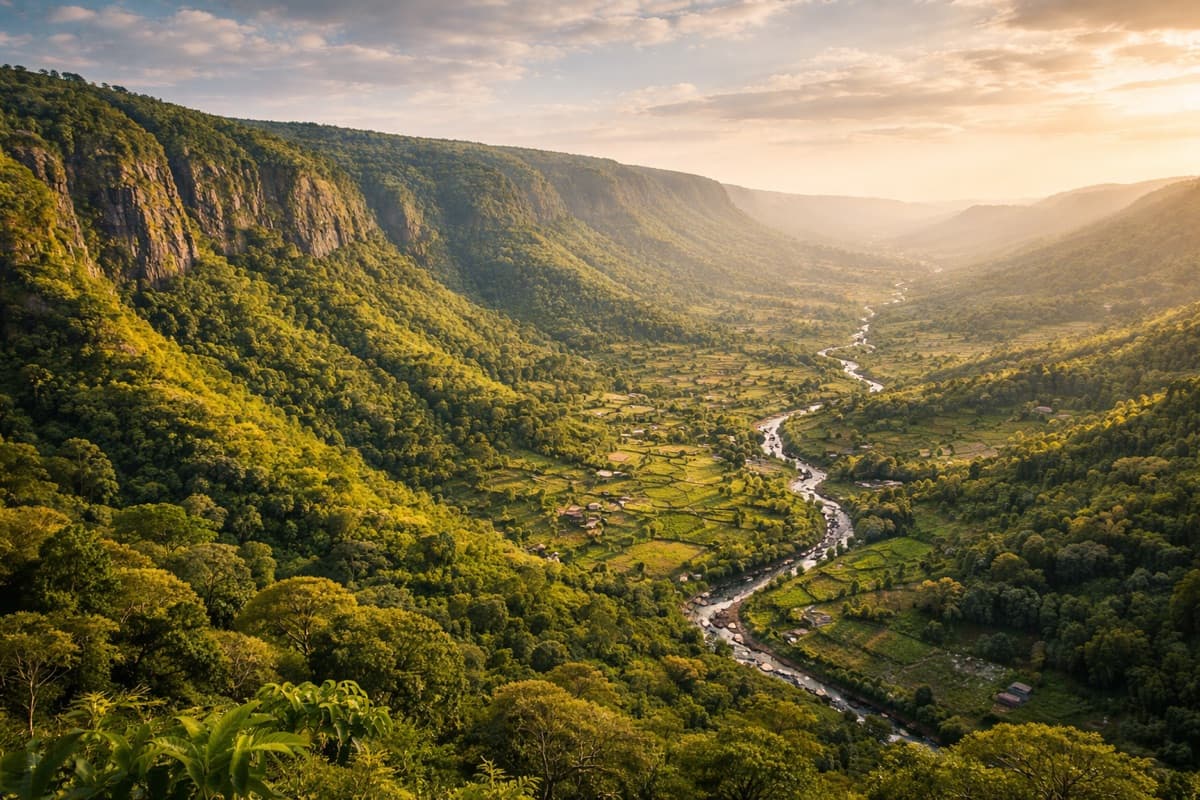
Across the steep slopes of the Elgeyo Marakwet escarpment, a quiet transformation is underway. Farms that were once bare and eroding are now home to rows of fruit trees, nitrogen-fixing legumes, and indigenous species — a living demonstration of what agroforestry can achieve.
What Is Agroforestry?
Agroforestry integrates trees and shrubs into crop and livestock systems, creating a multi-layered agricultural landscape. Rather than competing with food production, trees enhance it — providing shade, fixing nitrogen, reducing erosion, and diversifying farmer income.
REMEI's Approach
Since 2021, REMEI has supported over 200 smallholder farming families to adopt agroforestry practices suited to the local landscape. Our agronomists work directly with farmers to select appropriate tree species, plan planting layouts, and integrate trees with existing crops like maize, sorghum, and beans.
Key activities include:
- Establishment of community tree nurseries producing over 50,000 seedlings annually
- Farmer Field Schools where participants learn and practice agroforestry techniques together
- Linking farmers to markets for timber, fruit, and non-timber forest products
- Soil health monitoring to track improvements over time
Measurable Results
Early monitoring data is encouraging. Participating farms show measurable improvements in soil organic matter, reduced runoff during heavy rains, and — critically — higher and more stable crop yields even in dry seasons. Farmers also report new income from fruit and timber sales that supplement their harvest revenues.
Looking Ahead
REMEI plans to scale the agroforestry program to an additional 300 families over the next two years, with support from our conservation partners. We are also exploring carbon credit opportunities that could provide long-term financing for the work.
The escarpment's degraded lands are not a lost cause. With the right support, communities here are proving that restoration and livelihood improvement can go hand in hand.