

With increasing climate variability, REMEI's early warning systems and preparedness training are helping communities anticipate and respond to disasters.
Kenya's arid and semi-arid lands are no strangers to climate shocks — droughts, flash floods, and prolonged dry spells have shaped life here for generations. But the frequency and intensity of these events is increasing, straining communities that have limited buffers against disaster.
The Challenge
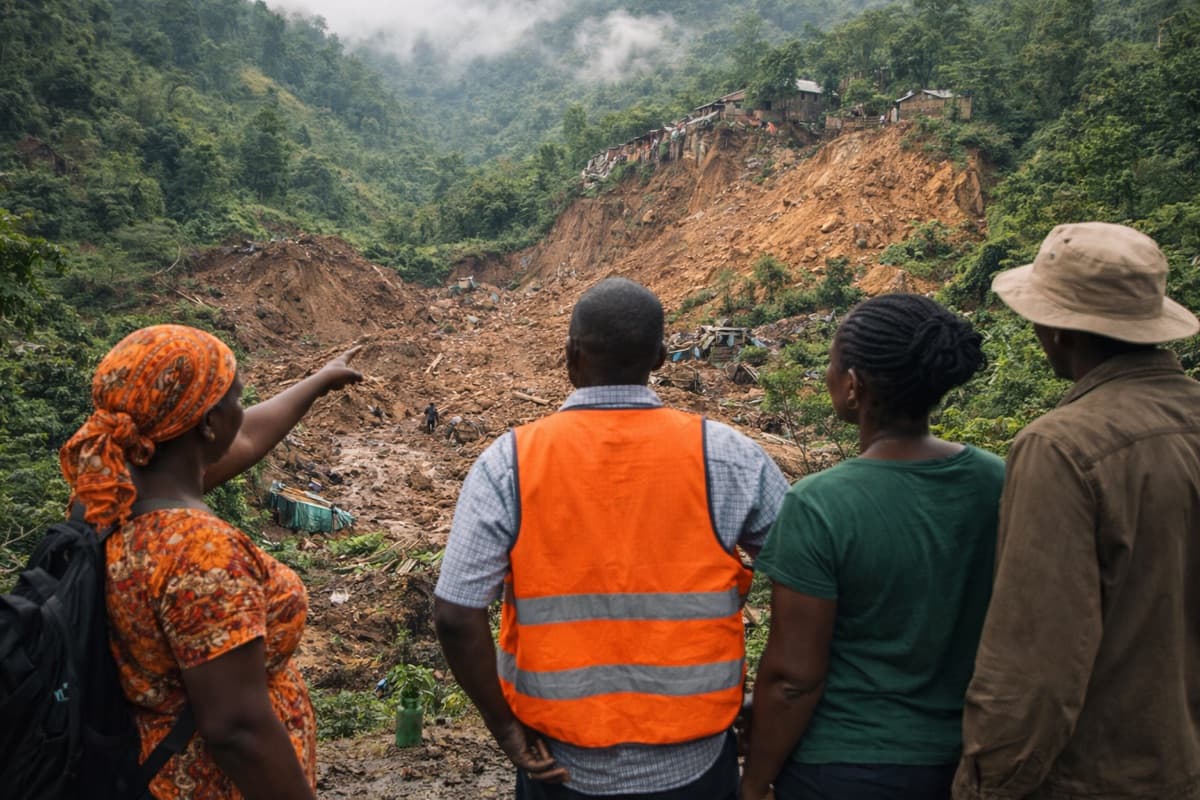
Elgeyo Marakwet County sits in a climate-vulnerable zone. Rains that once followed predictable seasonal patterns now arrive erratically. Landslides on the escarpment are becoming more frequent. And the communities most affected — smallholder farmers, pastoralists, women-headed households — are those least equipped to absorb the losses.
REMEI's Resilience Approach
Resilience, in REMEI's view, is not just about responding to disasters — it is about anticipating them and reducing vulnerability before they strike. Our program combines three elements:
- Early Warning Systems: Community-based weather monitoring stations and SMS alert networks that give farmers and pastoralists advance notice of dangerous conditions.
- Preparedness Training: Community drills, household contingency planning, and stockpiling of emergency supplies coordinated through local structures.
- Ecosystem-Based Adaptation: Restoring watersheds, planting windbreaks, and rehabilitating degraded hillsides to reduce exposure to floods and landslides.
Outcomes So Far
Early warning alerts have already helped three communities evacuate livestock ahead of flash floods, preventing significant losses. Watershed rehabilitation work has demonstrably reduced erosion on two pilot hillsides. And preparedness training has left communities feeling more confident and less fatalistic about the future.